
 Service commercial : 01 80 88 43 02
Articles de la rubrique "Sober living"
Hot Flashes: Why They Happen, Treatment, Prevention

There are many risks of long-term alcohol use, including cancer and liver damage. For this reason, experts recommend seeking help if a person experiences persistent night sweats related to alcohol consumption. Dilated blood vessels cause the skin to feel warm and flushed, which can trigger the release of sweat. However, as many people drink alcohol in the evening, night sweats are common. These medications aren’t as effective as hormone therapy for severe hot flashes, but they can be helpful to women who can’t use hormones.
Can You Drink During Menopause?
But this may not be a good option for you if you are at risk of breast Everything You Need to Know About Whippets and How to Stay Safe or endometrial cancer, heart disease, stroke, or blood clots. Studies showdifferent results about how alcohol use affects menopause symptoms. Besides being linked to alcohol use, hot flashes and sweating are common symptoms in women who are experiencing menopause. By being mindful of alcohol consumption and implementing lifestyle changes, women can better manage the symptoms of menopause, including hot flashes.
Seeking treatment from a healthcare provider is the best way to determine what’s causing hot flashes and how you manage them. Lifestyle changes, hormone therapy (HT) and nonhormonal treatments are just a few treatments your provider may suggest. Contact your healthcare provider if hot flashes are interfering with your life. They can discuss treatment options with you to help reduce your symptoms. Hormonal changes are most likely the cause of hot flashes. Healthcare providers aren’t entirely sure of why, but they know there’s a connection between estrogen and body temperature.
Demystifying Coverage: Is Rehab Treatment Covered by Oxford Health?

A hot flash is the sudden feeling of warmth in the upper body, which is usually most intense over the face, neck and chest. If you lose too much body heat, you might feel chilled afterward. Night sweats are hot flashes that happen at night, and they may disrupt your sleep. Hot flashes can be treated through lifestyle changes, hormone therapy, and other medications. The symptoms of hot flashes usually come on suddenly and resolve quickly. Hot flashes generally don’t last for more than five minutes.
What Makes Addiction Recovery a Challenging Process?
Learn all about hot flashes after hysterectomy as well as treatment for hot flashes after hysterectomy here. Hot flashes and excessive sweating are just one of the many menopausal symptoms. Many women have turned to alternative medicine, including mind and body techniques and dietary supplements to help curb hot flashes.
While they share similarities, understanding their differences helps in choosing the right approach. Secure funding for substance abuse treatment and pave the way to recovery. Explore government support and private sector contributions today. Substance use disorder (SUD) is a chronic disease affecting brain regions responsible for reward, motivation, learning, judgment, and memory, leading to severe consequences. Current users of alcohol have been found to have higher levels of Sex Hormone Binding Globulin (SHBG) compared to those who do not consume alcohol. SHBG is a protein that binds to sex hormones, such as testosterone and estrogen, in the bloodstream.
- Moreover, alcohol can interfere with sleep, which is already commonly disrupted during menopause.
- The data suggests that the frequency of alcohol intake correlates with the likelihood of experiencing hot flashes.
- It should not be used in place of the advice of your physician or other qualified healthcare provider.
- But, if a medical condition is causing your hot flashes, you’ll usually have other symptoms, too.
- Learn about Alcohol Awareness Month and the effects of alcohol misuse.
- People may not realize that because of this, they are at risk of hypothermia in cold weather.
The risk of VMS increases with higher levels of alcohol consumption, including average drinking, frequency, amount consumed per drinking day, and binge drinking. To better understand the relationship between alcohol and hot flashes, it’s important to consider individual factors such as genetics, overall health, and lifestyle choices. As with any health-related concern, it’s always advisable to consult with a healthcare professional for personalized advice and guidance. Approximately 80% of women experience hot flashes and night sweats during menopause, with 30% having severe symptoms. Alcohol can exacerbate these symptoms, making them worse for some women 4. Hot flashes, characterized by sudden feelings of intense heat and sweating, are commonly experienced by women during perimenopause and menopause.
Discover the scope, procedures, and impact of this vital healthcare service. Dive into the depths of addiction treatment, from therapies to factors influencing success. Unveil the alarming truth about brain damage from drugs & alcohol. Uncover tailored treatment approaches and strategies for lasting recovery. From intense cravings to vivid dreams, learn to identify the silent struggle. From anecdotes to research findings, explore the impact of this powerful compound.
There are several ways to deal with them, ranging from lifestyle adjustments, such as avoiding alcohol, to medication and alternative remedies. Read further for more information about treatments for hot flashes. Some research shows that alcohol use increases the risk of hot flashes, while other studies have found the opposite. Alcohol is known to increase the level of estrogen in the body, which may help to prevent hot flashes. However, as described above, alcohol itself is a known risk factor for hot flashes. Medical professionals are not sure why the results vary so widely in the studies, and more research is likely needed.
Our state-specific resource guides offer a comprehensive overview of drug and alcohol addiction treatment options available in your area. Moderate drinking, or one drink per day, during menopause can boost the health of some women. However, it may worsen symptoms or harm the health of others. According to a 2017 literature review, the nutrients and hops found in beer may help to relieve hot flashes and other common symptoms. Unveiling the truth behind alcohol use disorder risk factors, genetics, and mental health. Unravel the impact of alcohol on hot flashes and hormonal changes.
There’s a shortage of well-designed studies on complementary health practices for hot flashes, but research is progressing. Discuss the pros and cons of various treatments with your doctor. If hot flashes don’t interfere with your life, you probably don’t need treatment.
Catégorie: Sober living | Tags:
Review Harbor House Fresh Seafood Restaurant in Milwaukee, WI

For those seeking intimacy, in-room dining and customized menus are available Thursday to Monday with 24 hours notice ahead. The Review Harbor House Inn features 11 options for nightly stays which includes 6 traditional rooms in the main house and 5 standalone cottages for those looking for added privacy. Guests can select between garden view or ocean view rooms or cottages that feature a private patio. Each nightly stay includes a lavish breakfast, access to our private cove, plush down feather bedding, and cozy accommodations. Please note that cell phone reception is highly limited on the Coast, and on our property. We encourage you to use this time to disconnect, though wi-fi is available as needed.
Private Event Planning
- Guests can select between garden view or ocean view rooms or cottages that feature a private patio.
- The Review Harbor House Inn features 11 options for nightly stays which includes 6 traditional rooms in the main house and 5 standalone cottages for those looking for added privacy.
- The iconic dining experience by Chef Matthew Kammerer awaits moments away, floating just above the Pacific shoreline.
- Be the first to know about special events, wine and beer dinners, and exclusive offers for The Bartolotta Restaurants.
- Experience the pinnacle of coastal luxury at Review Harbor House, where breathtaking ocean views meet exquisite, Michelin-starred dining.
We have the perfect room and menu for your next corporate event, wedding dinner, or other special event. The Inn recently underwent an 8 year renovation which was completed in May of 2018 that blends historic charm with classic elegance. Experience the pinnacle of coastal luxury at Review Harbor House, where breathtaking ocean views meet exquisite, Michelin-starred dining. Enjoy an exclusive stay with top-tier comfort, all while soaking in the serene beauty of the Pacific.

Welcome to the Review Harbor House,
Guests booking the inn 30 days in advance, or more, will receive early Review Review Harbor House access to reservations in our restaurant before they go live to the general public. Special check-in instructionsThis property doesn’t offer after-hours check-in.
Upcoming Events
Please note that a full buyout of all 11 guest rooms & cottages is required. Be the first to know about special events, wine and beer dinners, and exclusive offers for The Bartolotta Restaurants. The iconic dining experience by Chef Matthew Kammerer awaits moments away, floating just above the Pacific shoreline. Guests of Review Harbor House Inn are granted preferred reservations at Review Harbor House restaurant through our concierge.
Catégorie: Sober living | Tags:
Celebrities With Fetal Alcohol Syndrome

In some cases, your healthcare provider might be able to diagnose a child with fetal alcohol syndrome at birth based on small size and specific physical appearance. FASD may present in childhood or early adulthood with mild social or intellectual concerns, or it can present with birth defects and growth problems during pregnancy. The result of alcohol on a developing fetus can lead to craniofacial differences, growth impairment, neurodevelopmental disabilities, and behavioral issues.
Understanding the Impact of Liza Minnelli’s Fetal Alcohol Syndrome

She’s faced that stigma and shame for decades and now works with the National Organization on Fetal Alcohol Syndrome as part of a birth mother network that helps celebrities with fetal alcohol syndrome train and educate people about fetal alcohol. I know of more friends than I can count who had a drink every now and again during their pregnancies. Reporting this story, it broke my heart to hear mothers share the guilt and shame they felt talking openly about their alcohol consumption. And while I was baffled to learn what we don’t yet know about FASD, I was also deeply disturbed by everything we do. They found that nearly all caregivers described their children as friendly, helpful, kind, and loving—terms psychologists refer to as exhibiting social motivation.
- There can also be mental and emotional challenges throughout the person’s life that can impact their social life, education and work.
- Despite the challenges he has faced, he continues to advocate for change and bring awareness to the issues that have affected his life and the lives of many others.
- Despite being confined to a wheelchair and only able to communicate through a Speaking Communicator, his theories on the nature of time and space have revolutionized our understanding of the universe.
- It is a reminder that we should never judge a person based on their limitations but instead focus on their talents and accomplishments.
Celebrities Living with FAS
The most effective treatments for fetal alcohol syndrome target your child’s specific issues. But certain medicines can help with symptoms such as hyperactivity, inability to focus, or anxiety. And there is no time during pregnancy when it’s considered safe to drink alcohol, either. The symptoms of this condition will be with the person throughout their entire life. Over time, a number of secondary effects can happen in people with FAS, particularly in those who aren’t treated for the condition in childhood. After delivery, you should continue to pay attention to when you drink alcohol if you’re breastfeeding your baby.
There is no single test for fetal alcohol syndrome (a lifelong condition), but early detection and treatment can greatly improve the lives of children with FAS. FAS, which comes with subtle facial characteristics, is a subgroup—although not necessarily a more severe diagnosis—of the all-encompassing fetal alcohol spectrum disorders (FASD). The correlation between Samuel L. Jackson’s struggles with alcoholism and the likelihood of him having FAS highlights the impact that prenatal alcohol exposure can have on an individual’s life. FAS is a complex condition that can affect both physical and neurological development, leading to a range of challenges throughout a person’s lifetime. Jackson’s journey serves as a poignant example of the importance of understanding the consequences of alcohol consumption during pregnancy and the potential long-term effects it can have on the individual.
Many of its symptoms can seem like attention deficit hyperactivity disorder (ADHD). Fetal alcohol syndrome isn’t curable, and the symptoms will impact your child throughout life. However, early treatment of some symptoms can lessen the severity and improve your child’s development. There isn’t a direct test for FAS and pregnant people may not give a complete history of all alcohol intake during pregnancy. If you are having unprotected sex and not using birth control, you must abstain from alcohol. The U.S. surgeon general also recommends abstaining from alcohol if you’re trying to conceive.
Understanding Trade Compliance’s Impact on Supply Chains
Although many believe that alcohol during pregnancy does not affect their child, the signs and symptoms only show when their child is born. Intellectual ability issues and brain damage are two major effects of heavy alcohol consumption during pregnancy. He may not have revealed to the public the reason for his deformed finger, but there are rumors that his deformed thumb could be caused by his mother’s heavy drinking during pregnancy. Marie Osmond, a singer and entertainer widely known for her successful career in the entertainment industry, has also been open about her struggles with fetal alcohol syndrome (FAS). Fetal alcohol syndrome is a condition that affects individuals who were exposed to alcohol in the womb.
He has three full musical albums, a public speaking career, and a non-profit called One Heart Creations. Morgan Fawcett is a 19-year-old Tlingit flute player with Fetal Alcohol Spectrum Disorder (FASD). People cannot believe that Morgan has this disability due to his philanthropic ventures. He has three studio albums, a public speaking career, and a non-profit organization named One Heart Creations.
Furthermore, Marie Osmond’s success as a singer and entertainer serves as evidence that having fetal alcohol syndrome does not mean one cannot achieve their dreams. Her talent and hard work have propelled her to great heights in the music industry, proving that individuals with FAS can excel in their chosen fields if given the opportunity and support they need. She has shown us all that labels should not dictate our potential or hinder our aspirations.
Meet Top 50+ Hottest Women In The World
Born Roy Frank Mitte III in Jackson, Mississippi, he began pursuing acting at a young age and eventually landed one of the most iconic roles in television history. Fetal alcohol syndrome is a condition caused by prenatal exposure to alcohol, which can lead to physical, cognitive, and behavioral challenges. Despite these obstacles, Chris Burke broke barriers and proved that individuals with FAS can excel in their chosen fields. By doing so, he not only challenged societal stigmas surrounding mental health but also served as a role model for others facing similar challenges. Beyond his time on reality television, Durbin continues to advocate for mental health awareness, using his platform to inspire others and spread hope.
Catégorie: Sober living | Tags:
With damp drinking and zebra striping, Gen Z are embracing moderation not abstinence from alcohol

Ultimately, it is up to the individual to decide if moderation is the right approach for their recovery. The traditional perspective on alcohol consumption for individuals with Alcohol Use Disorder (AUD) strongly advocates for total abstinence. This viewpoint is rooted in the belief that marijuana addiction even small amounts of alcohol can trigger a relapse, making it difficult for those with AUD to control their drinking once they’ve started. This will remain true regardless of how many years they’ve been in recovery from alcoholism. For alcoholics, the line between moderate drinking and delving into their alcohol addiction is very thin.

Alcohol and cancer: A growing concern

Having a drink while getting together with family or friends is often part of many special occasions. A woman, who also believed she could control her drinking, went on a date intending to have one drink. She had more than one, drove drunk, got arrested, and missed work.
- In 2001, 13.6% of Australians aged 18–24 drank less than once a month.
- « I would encourage individuals to be aware of the amount of alcohol they are consuming, » says Dr. Sarah Leitz, an addiction medicine physician at Kaiser Permanente in Portland, Ore.
- Some studies suggest that a subset of individuals with mild to moderate AUD can achieve controlled drinking after treatment.
- A person with alcoholism, which is also referred to as alcohol dependence or alcohol use disorder, has lost control of their alcohol use.
Build Healthy Habits
A growing body of research points to a link between alcohol consumption and an increased risk of seven types of cancers, stroke and premature death. But what’s still debatable is the exact threshold at which risks increase. This likely varies from person to person based on their genetic risks and other lifestyle habits. Then the line rises—and rises and rises—confirming the idea that excessive drinking is plainly unhealthy. In the late 20th century, however, conventional wisdom lurched strongly toward the idea that moderate drinking was healthy, especially when the beverage of choice was red wine.
Tips for Moderating Drinking
You’ll likely forget the downsides of drinking such as hangovers, upset stomach, conflicts with loved ones, and the feeling of remorse the day after. Once you start drinking, even if you plan to have it in moderation, you can never predict or control how much can alcoholics ever drink in moderation you’ll actually end up consuming. If you’re a recovered alcoholic it’s easy to see yourself in a position of strength. Here at Cassiobury Court, we’ve seen first-hand that the tipping point back into addiction can be very slippery indeed.
Q3: What is Alcoholism?

If this is the case, you might undergo a treatment called moderation management (MM). This usually involves a month-long period of complete abstinence, during which you’ll work to identify your triggers. This is intended to give you the strength to say “no” to drinks beyond the moderate level in the future. This means you’ll drink no more than one a day if you’re female-bodied and no more than two if you’re male-bodied.
- Most people addicted to alcohol will need to learn different ways of reacting and being – or they will just keep having the same feelings, some of which were behind their compulsion to drink.
- As mentioned in the introduction, the answer to whether alcoholics can drink in moderation is a qualified yes.
- Truthfully, an alcoholic should not drink again, even in moderation.
- This is one of the most common questions asked by people who are struggling to overcome their alcohol addiction.
Catégorie: Sober living | Tags:
Does drinking alcohol keep you warm?

Understanding why alcohol makes you feel warm and being aware of how various factors can influence this sensation can help you better manage the effects of alcohol on your body temperature. Remember to drink responsibly and prioritize your well-being when consuming alcohol. “Just one alcoholic drink can make you does alcohol make you feel warm feel as if you’re warmer, but it actually lowers your core body temperature and increases your risk of hypothermia.
Healthy Headlines
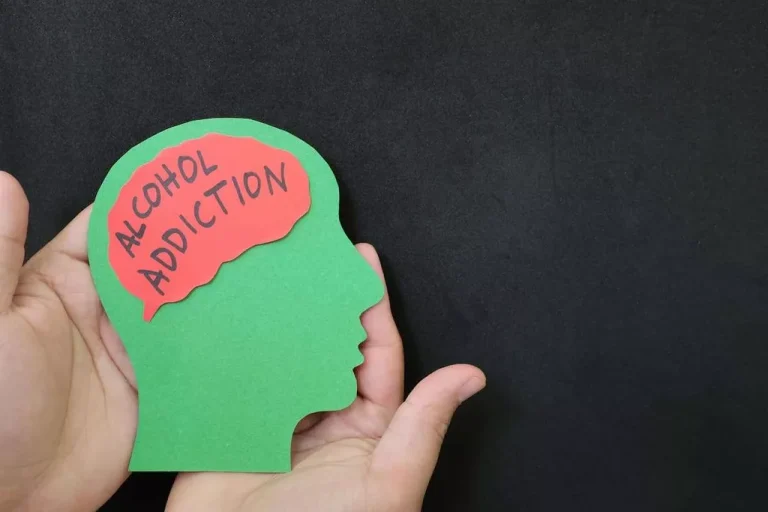
Never try to get through AWS without medical help as some withdrawal symptoms can be fatal. Enrolling in amedical detox programcan help you avoid life-threatening withdrawal symptoms and detox from alcohol safely with the help of professionals. While some of these effects are generally mild and short-lived, others can point to more chronic, compulsive patterns of drinking.
Does alcohol actually raise body temperature?
- Here’s what happens when you’re having an alcoholic drink in the cold.
- People experiencing alcohol withdrawal relating to alcohol dependency should consider seeking urgent medical attention.
- Sign Up for Wine Spectator’s Free Email Newsletters and stay up-to-date with all things wine.
- Our faces redden, sweat drips, and we begin overheating as if someone turned up the thermostat.
- People who experience night sweats regularly after drinking may have an issue with alcohol.
This is because your body’s core temperature – regulated by the brain – and your body’s shell temperature – influenced by the environment – are both under the influence of factors making it cooler. « By flushing and sweating you are delivering more heat to the skin and thereby increasing heat loss from the ‘core’ of the body to the environment. » It depends on what you are drinking (some drinks like alcopops contain more sugar) and people obviously have different taste preferences. The fact that ethanol is created from sugars is also likely to increase our propensity to drink. For example, research suggests that some individuals have a predisposition to prefer sugar and this can make them more prone to developing alcohol addiction. Alcohol also seems to act on some of the same brain areas activated by sweet tastes.
Can I reduce tannins and bitterness in wine by adding powdered egg whites to my glass?
The dilation of blood vessels in the skin may make you feel warmer, but it does not affect your body’s internal temperature regulation. No, alcohol can lower core body temperature by reversing the normal process that keeps us warm. It increases blood flow to the skin and impairs the body’s ability to shiver, making us feel warmer while reducing our actual core temperature. Drinking alcohol causes a flushed, sweaty reaction in some people due to a buildup of acetaldehyde, a toxic byproduct of alcohol.
Paying for Treatment
- Drinking affects your ability to key into your body’s temperature signals and heightens your risk for injuries.
- We already explored how alcohol is damaging to your cells and causes them to expand rapidly.
- Here’s why you should think twice about warming up with a cocktail.
- Your heart can’t pump blood as well, and that impacts every part of your body.
- During a hangover,your body temperature risesfrom the low body temperature you may have had when you were drunk.
It’s a common myth that alcohol raises your internal body temperature, but studies show it can actually lower it. Alcohol consumption affects your ability to regulate your body temperature and also dilates blood vessels, which contributes to feelings of warmth. While this may seem like a perk, it can actually be quite dangerous. The natural tendencies of your body — to detect cold, for example — are there to protect you from frostbite or hypothermia. Usually, your blood vessels constrict in lower temperatures in order to direct blood to your vital organs, Simon said.
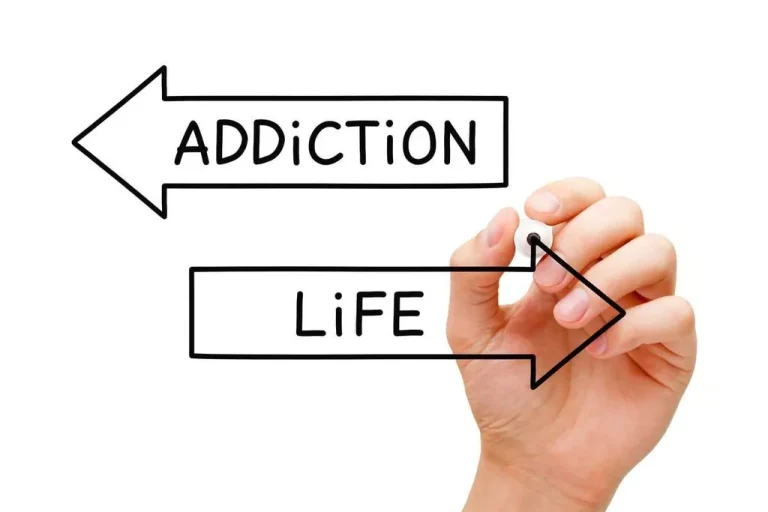
The heat from that extra blood passes right out of your body, causing your temperature to drop. On the other hand, long-term heavy drinking boosts your blood pressure. It makes your body release stress hormones that narrow blood vessels, so your heart has to pump harder to push blood through. While consuming alcohol can make you feel warmer, your body temperature doesn’t actually change. Blood is redirected to your extremities because the drug acts a vasodilator, which is where the sensation of warmth comes from. However, this process of vasodilation means you lose heat, and your core body temperature drops.
As stated before, an alcoholic flush is sometimes referred to as Asian glow. This term originated because certain groups of people, particularly people throughout East Asia, have a higher risk for enzyme deficiency than average. We publish material that is researched, cited, edited and reviewed by licensed medical professionals. The information we provide is not intended to be a substitute for professional medical advice, diagnosis or treatment. It Halfway house should not be used in place of the advice of your physician or other qualified healthcare provider. It should not be used in place of the advice of your physician or other qualified healthcare providers.
Sunset Forte Alcohol Flush Support
When you drink alcohol, it causes blood vessels near the skin’s surface to dilate, producing a warm sensation. As your core body temperature drops, your body will try to defend its deep body temperature, and blood flow to the skin will shut down. This can lead to hypothermia, which occurs when your body temperature drops so low that it causes a cardiac arrest. A study on the effects of alcohol on thermoregulation found that alcohol consumption lowered the body’s core temperature. The study showed that alcohol affected the body’s ability to adjust its temperature over a 24-hour period, reducing the range of temperatures the body could regulate.
- Some research shows that alcohol use increases the risk of hot flashes, while other studies have found the opposite.
- – Heavy drinking impairs the body’s ability to shiver and generate warmth when exposed to the cold.
- The flu shot cannot give you the flu, but anytime you have a vaccine you could potentially feel a little under the weather for a day or two.
- As a result, your blood vessels expand, bringing more blood to the surface of your skin, and this increased blood flow generates a sensation of warmth.
It is essential to stay hydrated by drinking water or non-alcoholic beverages. The disruption of thermoregulation caused by alcohol consumption can have dangerous consequences, especially in cold environments. People with high blood alcohol levels may mistakenly believe they are warmer than they actually are, increasing the risk of hypothermia. This risk is furthersection compounded by alcohol’s inhibitory effects on cognitive function, which can lead to poor decision-making regarding appropriate clothing or shelter. In general, hot flashes and sweating are signs that our hangover has triggered our sympathetic nervous system, otherwise known as our fight-or-flight response. Symptoms typically include trembling or shaking, sweating, feeling hot, a rapid heartbeat, and high blood pressure.
Catégorie: Sober living | Tags:
22 Things to Do Instead of Drink
Now, I personally love Pinterest, and I don’t know if you guys do, too. But Pinterest for me is a great tool to learn and to dream. I like gardening and had a big 2020 plot of land that was just weeds and nothing else. And I turned it into a raised garden bed with beautiful salt and pepper stones in between them. I posted incredible pictures on my Pinterest board about beautiful vegetable gardens and flower gardens. I went to the garden store and I bought the seeds and the plants.
Harsh Life Realities 20-Somethings Don’t Realize Yet, According To People In Their 40s
If someone else loves hiking, ask them to take you on a hike. Ask to join people on a bike ride, ask to go watch something that you would normally not go watch. Have someone else tell you what their passion is and get interested.

Can Drinking Wine Make You Feel Depressed?
And what to do about it, there seems to be a common theme around what women worry about when they’re about to quit drinking. Some of the drinking out of boredom things they experience in early sobriety that may lead them to go back to drinking. And even once you’ve quit drinking, there is a time between when your life was filled with alcohol, and with drinking events.
Quitting Alcohol Timeline: What to Expect in Weeks 1-3
But it will distract you from boredom. It will open your eyes to what other people do and it’ll be good for you. Tarot Readings, I love tarot readings. And that’s something to do in sobriety when you’re not drinking that might interest you. And maybe another one, the beautiful thing about sobriety is that you don’t need to know where the path is going to lead. When I was in early sobriety, I was very shaky.
- After a week or so, your body will start to recognize the bedtime routine and you’ll feel sleepy in no time.
- Most people drink to fill some sort of void, like boredom, loneliness, an unhappy relationship, job-related stress or anxiety.
- Excessive drinking has numerous impacts on your body and mind, ranging from mild to severe.
- Consuming fun is a very passive activity.
- Deciding to live without alcohol may seem challenging, but all you have to do is look for things you can substitute for drinking.
- However, staying sober around the people you love has many benefits.
Alcohol Withdrawal Timeline: What Happens to Your Body When You Quit Alcohol?
I’ve been where you are, as have thousands of other sober people who had to learn to have a life again after sobriety. Go to a late-night yoga or fitness class, or take one virtually. It can be a pain when all you want to do is veg out on the couch, but you’ll sleep soundly and wake up feeling refreshed.
- While it may not be something you perceptibly notice, one huge health benefit from stopping alcohol will occur by your third week of not drinking.
- But today, alternative activities like wellness retreats, sober-friendly events and even dry bars are becoming increasingly popular.
- Skipping that glass of wine for some self-care can be a great way to kick off a dry January (or any month!) and give your body and mind the care they deserve.
Board Games
And that is something that you don’t realize you need. In that quote I read in the beginning again, it says you will need other people as a living, breathing reminder of everything that’s good in life. So this episode was about what to do if you’re feeling bored in sobriety. What you can do if you feel flat, if you feel mad if you feel blocked. And part of it is to trust the process.

I’ve gotten everyone in my social circle and family on the Jackbox train. Most games are slightly inappropriate, which plays to my sense of humor. Whether your poison is Monopoly, Risk, Uno, or Spades, getting a group of people together to eat junk food and play games is always a good option. This has been one of my favorite things to do in sobriety.
Catégorie: Sober living | Tags:
3 Types Of Transitional Housing And Recovery Residences: Sober Living, Halfway Houses, Oxford Houses
The cost of living in an Oxford House varies depending on location and house size, but it is generally affordable due to shared expenses and the self-sustaining nature of the model. Does it sound like you or a loved one can benefit from a sober living facility? Sober living homes are generally privately owned houses in quiet, residential areas.
Duration of Treatment
Specific homes may have additional requirements related to criminal history, financial status, or the stage of recovery. Compared to halfway houses and Oxford houses, sober living homes typically offer a middle ground in terms of structure and independence. They are less institutional than halfway houses and provide more support and oversight compared to the peer-run Oxford houses, making them suitable for those who require a balanced approach to post-treatment living. These sober living homes enforce rules such as regular drug screenings and participation in house meetings, which are fundamental to maintaining a safe and supportive recovery community. By choosing the appropriate level, residents can find a balance of independence and support that best suits their recovery journey, ensuring a smoother transition towards a sober, stable lifestyle.
In addition to managing a successful family medical practice, Dr. Hoffman is board certified in addiction medicine by the American Osteopathic Academy of Addiction Medicine (AOAAM). Dr. Hoffman has successfully treated hundreds of patients battling addiction. Dr. Hoffman is the Co-Founder and Living in a Sober House: Fundamental Rules Chief Medical Officer of AddictionHelp.com and ensures the website’s medical content and messaging quality. Keeping all of this in mind, the National Center for Drug Abuse Statistics found the average cost of a therapeutic community to be $32,523.
In these types of treatment settings, the individual will leave their environment during the weekdays, receive hours of formal treatment, and return home during the evenings and weekends. These programs can provide effective treatment, but they can leave the individual vulnerable to cravings and triggers for substance use during off hours. Although relapse is a common part of the recovery process, it threatens the recovery of all residents. Thus, individuals who relapse are usually removed from the sober living home as soon as possible. Many sober living homes refer the resident to a drug addiction rehab center or offer another form of treatment.
But many sober homes require residents to attend support group meetings or participate in 12-step programs or outpatient treatment, which may be an additional cost for residents to consider. Recovery housing is specifically designed to support individuals with substance use issues to initiate and sustain long-term recovery. These houses or housing programs may go by many names such as Oxford Houses, sober living, recovery homes recovery residences, and therapeutic communities. Halfway houses are generally more structured than sober living homes but less restrictive than residential treatment facilities.
These living facilities offer designated housing for people who have completed rehab treatment and are looking for aftercare or a transition between treatment and their day-to-day life. Where you live after completing a treatment program for substance use disorder can be an instrumental step in supporting your recovery. Our knowledgeable admissions navigators can answer your questions about treatment and recovery and help you take the first steps in your sobriety journey. Living in a sober home after an inpatient rehab facility or during outpatient addiction treatment can be very beneficial.
The Grove – Reach out for help with addiction
These residences are characterized by their self-run structure, ensuring a drug-free environment where each resident contributes to the management and upkeep of the home. As described by Oxford House, Inc., a non-profit organization, this model promotes recovery by fostering an environment of mutual support and responsibility. These diverse regulations and certifications are designed to maintain high standards within sober living environments, ensuring they effectively support individuals on their path to recovery. By complying with these guidelines, sober living homes not only safeguard their residents but also enhance their service quality and operational integrity. Sober living homes offer a structured, substance-free environment for individuals recovering from addiction, facilitating the transition from intensive treatment settings to everyday life.
What Happens if You Relapse in a Sober Living Home?
The house meetings and the accountability enforced by the house manager helped him navigate early recovery challenges and avoid relapse. The word “rehab” is a catch-all term for the variety of services available for treating substance use disorders, including alcohol and drug addiction. However, within the scope of rehab, a whole range of programs offer varying levels of care. These can include how long you plan to stay, the state you choose sober housing in, the specific facility, and more.
Choosing a Sober Living Home

It’s important for you to consider whattype of treatment you need and what type of treatment center can provide the right care for you. Thetop addiction treatment centers are characterized by the outstanding care they provide, and a variety ofalcohol and drug treatment facilities exist. You should choose the best treatment center that can providethe type of care that you need. Oxford Houses were established in 1975 to provide a community-based recovery environment for individuals seeking sobriety from drug and alcohol addiction. Sober living homes are instrumental in providing the necessary support and structure for individuals striving to maintain sobriety and rebuild their lives post-addiction treatment. They play a crucial role in the continuum of care by addressing the gap between intensive treatment and full reintegration into society.
Level IV (Service Provider)
- Sober living homes cater to a diverse population, from young adults to older individuals, and can be particularly beneficial for those who may not have a supportive environment to return to post-rehab.
- A sober living home provides a safe, stable environment that does not tolerate substance use.
- Addiction treatment facilities and drug rehab centers across the country help thousands of people recover from addiction every year.
- These diverse regulations and certifications are designed to maintain high standards within sober living environments, ensuring they effectively support individuals on their path to recovery.
But many reputable New York organizations, including hospitals, shelters and the state’s department of corrections, referred individuals to unregulated three-quarter houses. One home owner collected disability checks and treatment kickbacks for rent payment, according to the New York Times investigation. Some sober living homes are certified by governing bodies, such as affiliates of the National Alliance for Recovery Residences. They force multiple people to live in rooms designed for one or two people. Some landlords have been accused of forcing tenants to attend rehab and of accepting referral fees from questionable rehab facilities.
An inpatient treatment center requires 30 days, where the recovering addict will check-in and stay at the facility for ongoing therapy and treatment. First and foremost, it is important to seek professional help and enroll in a recovery program at a treatment facility. After you have completed your treatment program, you may move to step-down treatment or aftercare such as a sober living home. Specifically, they can help encourage long-lasting recovery/sobriety and reduce the risk of relapse.
Transitional housing offers a place where individuals can become more independent and responsible. It is an excellent opportunity for former addicts, or anyone released from prison to begin a new sober life. You can choose a state in the menu below in order to find a transitional housing program in your area.
Sober Living Homes (SLH’s) are designed to be a transitional space from residential treatment to mainstream society according to Korcha RA, Polcin DL, Mericle AA, Bond J. The three common types of recovery residences include sober living homes, halfway houses, and Oxford houses, each offering different levels of support and structure. Sober living is ideal for individuals committed to living a drug and alcohol-free life who may be struggling with remaining sober on their own.
Sober residences allow individuals to continue working on their recovery after they have completed inpatient addiction treatment while easing back into their regular lives. They have the opportunity to begin resuming their regular responsibilities and duties with increased independence while staying somewhere that provides additional support and a safe environment for their sobriety. Generally, residents are free to come and go throughout the day while residing in a SLH and are not locked into a schedule like what they experienced during their addiction treatment program. Depending on the city, neighborhood and services offered, rent can range from $300 to $2,000 per month. Some sober homes do not require residents to pay utility bills, but utilities may be rationed to avoid waste. Some sober living homes have exercise equipment, https://northiowatoday.com/2025/01/27/sober-house-rules-what-you-should-know-before-moving-in/ fitness areas, recreational space, pools and cookout areas.
Catégorie: Sober living | Tags:
The Jellinek Curve: The 5 Stages of Alcoholism and Recovery
For some people, AUD has hurt their relationships, careers, health, finances, self-esteem, and other aspects of their lives. Your body has acclimated to quitting drinking over the past couple of years. Alcoholics in this stage have a hard time controlling their drinking. They may begin drinking early in the day and plan their day around their drinking. In social situations, they may be unable to stop drinking when others do and find that they can’t handle as much as they previously could without becoming drunk. Blackout episodes, where the individual does not remember what they’ve said or done while drinking, may occur.
Supported living
Go to an Al-Anon or Alateen meeting or set up an appointment with a mental health https://ecosoberhouse.com/article/alcohol-abuse-and-narcissism-how-are-they-linked/ professional. At the end of the day, the person with addiction has to be willing to accept help. There are factors that pop up again and again when determining who might have an issue with alcoholism. If you’re in the « at-risk » population, it doesn’t take much to become dependent on alcohol or other drugs.
Alcohol’s Effects on Other Liver Cell Types
But esophageal varices are prone to rupture, and when they do, the alcoholic can bleed to death. Stopping is impossible at this point without professional help because of the severe and potentially life-threatening withdrawal symptoms that would occur if they quit cold turkey. By this stage, their drinking is taking an obvious physical toll as well. They may appear red in the face or look bloated and generally unwell.
Stage 2: Higher Alcohol Tolerance Levels
Each stage has notable symptoms, but everyone will experience them differently. But it has since been adapted for drug use and other addictions like porn and gambling. You’ll soon start receiving the latest Mayo Clinic health information you requested in your inbox.
The primary symptoms of stage three include high tolerance to alcohol, physical symptoms, and more obvious drinking behaviors. The middle stage of alcoholism is when 5 stages of alcoholism drinking interferes with everyday life. However, outcomes with steroids have been variable (Thursz et al. 2015). Current guidelines suggest discontinuation of therapy if there is no indication of a decrease in bilirubin levels by day 7 of treatment (European Association for the Study of the Liver 2012). Schematic depiction of the role of Kupffer cells (KCs) and hepatic stellate cells (HSCs) in promoting alcohol-induced inflammatory changes and progression to fibrosis and cirrhosis.
I’m In Recovery
Severe alcohol use disorder is any AUD in which a person might meet six or more of the criteria listed in DSM-5. At this level of alcohol misuse, a person is at high risk for both short- and long-term adverse health effects. You may notice your loved one going out to party and drinking more than they used to or beginning to use increasing amounts of alcohol. Early misuse may transition from your loved one grabbing a drink immediately after work to having 3-4 drinks every day after work to escape from stress until bedtime. For others, misuse of alcohol could coincide with misuse of medications or other drugs or using them in dangerous situations. Alcohol use disorder, commonly referred to as alcoholism or alcohol addiction, does not develop suddenly.
Stage 1: Experimenting and Binge Drinking
- Even if they recognize that their use is out of control, they feel unable to stop.
- At this stage, the person is usually not aware of the risk of dependence.
- This stage of alcoholism is difficult to notice, even for the person misusing alcohol.
- In each stage, there are signs and symptoms, or red flags to be aware of.
By this stage, the physical, emotional and social consequences of alcoholism are severe, and it’s crucial that you get immediate support. Though recovery is still possible, prolonged alcoholism can affect your health in the long-term. Often termed the ‘prodromal’ phase, this stage is when people start to drink more often, which can lead to some dangerous consequences. You might experience occasional memory blackouts as a result of your drinking, and you might find yourself drinking on your own or in secret. Over time, you might rely on alcohol more and more in order to navigate the complexities of your daily life, signalling that you’ve developed a dependency on alcohol. The journey from casual drinker to end-stage alcoholism is one that’s complex and unique to each person.
Catégorie: Sober living | Tags:
Alcoholic Neuropathy: Symptoms, Treatment, Recovery Timeline

Progression of symptoms is usually gradual, continuing over months or years 2, 4. Electrophysiologic and pathologic findings mainly indicate axonal neuropathy with reduced nerve fibre densities. Densities of small myelinated fibres and unmyelinated fibres were more severely reduced than the density of large myelinated fibres, except in patients with a long history of neuropathic symptoms and marked axonal sprouting 2. Subperineurial oedema is more prominent in thiamine deficient neuropathy, whereas segmental de/remyelination resulting from widening of consecutive nodes of Ranvier is more frequent in alcoholic neuropathy 3. Alcoholic neuropathy results from damage to the nerves due to excessive alcohol drinking. Symptoms include numbness, tingling, burning sensations, muscle weakness, and changes in bodily functions.
When to Contact a Medical Professional

The most common findings are sensory-related and vary, including pain, numbness, and paresthesias. Pain seems consistent in the literature as 1 of the most common complaints and can be the alcohol neuropathy reversal first clinical indication of the disease. Keeping this disease process high on the differential with the right history is essential.

Start Healing from Drug and Alcohol Addiction Today

You might look for a support group specifically for alcoholic neuropathy or for people coping with chronic pain. You may also benefit from a support group to help you reduce your drinking or completely quit drinking alcohol. Alcoholic neuropathy is caused by nutritional deficiency, as well as toxins that build up in the body. Alcohol decreases the absorption of nutrients such as magnesium, selenium, and vitamins B1 and B2, causing significant deficits that affect many areas of the body, including the nerves. Alcoholic neuropathy can feel overwhelming, but it’s important to remember that improvement is possible. While the path might not be easy, taking the first step is often the hardest part.
- The Reframe app equips you with the knowledge and skills you need to not only survive drinking less, but to thrive while you navigate the journey.
- In addition, acetyl-L-carnitine did not interfere with the antitumour effects of the drugs.
- Counseling helps patients cope with the emotional and psychological challenges of alcohol cessation.
- A certain amount of acetaldehyde is not metabolized by the usual pathways (Figure 2) and binds irreversibly to proteins which results in the creation of cytotoxic proteins which adversely affect the function of nervous system cells.
- Yes, nerve damage from alcohol is permanent in many advanced cases, particularly when the condition has gone untreated for years.
Are There Cases Where Alcoholic Neuropathy Causes Permanent Damage?
The main symptoms of ALN include dysesthesia, paresthesia, numbness, and pain in the lower extremities which progressively reach higher parts of the body 114,115,116,117. The pain is described as burning, cramp-like, or itching; also, a common symptom is a subjective feeling of cold in both feet 118,119,120,121,122,123. The symptoms deteriorate through touch and pressure which intensify pain while standing or walking 124.

Effective treatment for alcohol neuropathy can only begin after a correct diagnosis so you must act quickly before the condition progresses to a drug addiction treatment point where it might be permanent. The symptoms grow gradually and can be masked by the effects you experience due to drinking alcohol. If you are worried about this condition and whether there is an alcohol neuropathy cure, your focus should be on curbing your drinking and addressing the problem of alcohol neuropathy before it worsens. Dr. Marisa A. Sisk, , M.S., Psy.D., is the Chief Clinical Officer and founder of Refine Recovery, where she created its clinical curriculum. With advanced degrees in Clinical Psychology and Marriage and Family Therapy, she has extensive experience in behavioral health.
How does one go about diagnosing alcoholic neuropathy?
Accumulating evidence suggests a pivotal role for metabotropic glutamate receptors (mGluRs) in nociceptive processing, inflammatory pain and hyperalgesia 74, 75. Several mGluR subtypes have been identified in the superficial dorsal horn of the spinal cord 76, 77 and on primary afferent fibres 78. Glutamate concentrations are elevated in the superficial dorsal horn of rats after chronic ligature of the sciatic nerve 79. Miyoshi et al. found that 5 weeks after ethanol treatment, the mechanical nociceptive threshold was significantly decreased and is further reduced up to 10 weeks 80. As supported by immunostaining, the membrane fraction showed that spinal mGluR5 concentrations in ethanol-treated rats were significantly increased compared with those in the control diet group.
The Importance of Medical Supervision During Benzodiazepine Detox
Recovery in alcoholic neuropathy can be expected in most cases, which receive timely treatment. Alcoholic neuropathy can be reversed in some cases, with proper management and treatment. Following detox, comprehensive rehabilitation programs, like those offered at Resurgence Behavioral Health, provide the necessary support and treatment to address the psychological aspects of addiction. These programs include therapy, counseling, and education on substance abuse and its impacts. For those with alcoholic neuropathy, rehabilitation also focuses on managing and treating the nerve damage, incorporating physical therapy, nutritional counseling, and strategies to prevent further nerve injury.

After a few weeks, there may be a reduction in pain and tingling, and significant improvement should be noticeable after a year or more. Besides ruining your eternal organs, ending relationships and causing you to lose your livelihood and all your money, drinking alcohol can have an everyday physical effect on you. Early improvements include reduced pain intensity, decreased burning sensations, and gradual return of sensation in affected areas.
- Alcoholic neuropathy is a condition that affects the nervous system and is caused by excessive and prolonged alcohol consumption.
- However, this seemingly innocuous sensation may be an early warning sign of a condition known as alcoholic neuropathy, a lesser-known but significant consequence of long-term alcohol use.
- Even though much research was done in this area, still we do not have a full understanding of the mechanism of alcoholic neuropathy.
- It is likely to get worse if the person continues to use alcohol or if nutritional problems are not corrected.
- All RCTs that were included As well as this, where interventional studies are cited a clear description of their design is in text to allow the reader to evaluate that articles risk of bias.
Continuing to drink will only make nerve damage worse and block any chance of recovery. Due to the breadth of the literature surrounding this topic, this review shall focus exclusively upon peripheral neuropathy, without discussing autonomic neuropathy. In order to comprehend the complexities of alcoholic neuropathy, it is crucial to delve into the causes behind this condition as well as the symptoms that may manifest.
Catégorie: Sober living | Tags:
Alcoholic Neuropathy: Symptoms, Treatment, Recovery Timeline
Progression of symptoms is usually gradual, continuing over months or years 2, 4. Electrophysiologic and pathologic findings mainly indicate axonal neuropathy with reduced nerve fibre densities. Densities of small myelinated fibres and unmyelinated fibres were more severely reduced than the density of large myelinated fibres, except in patients with a long history of neuropathic symptoms and marked axonal sprouting 2. Subperineurial oedema is more prominent in thiamine deficient neuropathy, whereas segmental de/remyelination resulting from widening of consecutive nodes of Ranvier is more frequent in alcoholic neuropathy 3. Alcoholic neuropathy results from damage to the nerves due to excessive alcohol drinking. Symptoms include numbness, tingling, burning sensations, muscle weakness, and changes in bodily functions.
When to Contact a Medical Professional
The most common findings are sensory-related and vary, including pain, numbness, and paresthesias. Pain seems consistent in the literature as 1 of the most common complaints and can be the alcohol neuropathy reversal first clinical indication of the disease. Keeping this disease process high on the differential with the right history is essential.
Start Healing from Drug and Alcohol Addiction Today
You might look for a support group specifically for alcoholic neuropathy or for people coping with chronic pain. You may also benefit from a support group to help you reduce your drinking or completely quit drinking alcohol. Alcoholic neuropathy is caused by nutritional deficiency, as well as toxins that build up in the body. Alcohol decreases the absorption of nutrients such as magnesium, selenium, and vitamins B1 and B2, causing significant deficits that affect many areas of the body, including the nerves. Alcoholic neuropathy can feel overwhelming, but it’s important to remember that improvement is possible. While the path might not be easy, taking the first step is often the hardest part.
- The Reframe app equips you with the knowledge and skills you need to not only survive drinking less, but to thrive while you navigate the journey.
- In addition, acetyl-L-carnitine did not interfere with the antitumour effects of the drugs.
- Counseling helps patients cope with the emotional and psychological challenges of alcohol cessation.
- A certain amount of acetaldehyde is not metabolized by the usual pathways (Figure 2) and binds irreversibly to proteins which results in the creation of cytotoxic proteins which adversely affect the function of nervous system cells.
- Yes, nerve damage from alcohol is permanent in many advanced cases, particularly when the condition has gone untreated for years.
Are There Cases Where Alcoholic Neuropathy Causes Permanent Damage?
The main symptoms of ALN include dysesthesia, paresthesia, numbness, and pain in the lower extremities which progressively reach higher parts of the body 114,115,116,117. The pain is described as burning, cramp-like, or itching; also, a common symptom is a subjective feeling of cold in both feet 118,119,120,121,122,123. The symptoms deteriorate through touch and pressure which intensify pain while standing or walking 124.
Effective treatment for alcohol neuropathy can only begin after a correct diagnosis so you must act quickly before the condition progresses to a drug addiction treatment point where it might be permanent. The symptoms grow gradually and can be masked by the effects you experience due to drinking alcohol. If you are worried about this condition and whether there is an alcohol neuropathy cure, your focus should be on curbing your drinking and addressing the problem of alcohol neuropathy before it worsens. Dr. Marisa A. Sisk, , M.S., Psy.D., is the Chief Clinical Officer and founder of Refine Recovery, where she created its clinical curriculum. With advanced degrees in Clinical Psychology and Marriage and Family Therapy, she has extensive experience in behavioral health.
How does one go about diagnosing alcoholic neuropathy?
Accumulating evidence suggests a pivotal role for metabotropic glutamate receptors (mGluRs) in nociceptive processing, inflammatory pain and hyperalgesia 74, 75. Several mGluR subtypes have been identified in the superficial dorsal horn of the spinal cord 76, 77 and on primary afferent fibres 78. Glutamate concentrations are elevated in the superficial dorsal horn of rats after chronic ligature of the sciatic nerve 79. Miyoshi et al. found that 5 weeks after ethanol treatment, the mechanical nociceptive threshold was significantly decreased and is further reduced up to 10 weeks 80. As supported by immunostaining, the membrane fraction showed that spinal mGluR5 concentrations in ethanol-treated rats were significantly increased compared with those in the control diet group.
The Importance of Medical Supervision During Benzodiazepine Detox
Recovery in alcoholic neuropathy can be expected in most cases, which receive timely treatment. Alcoholic neuropathy can be reversed in some cases, with proper management and treatment. Following detox, comprehensive rehabilitation programs, like those offered at Resurgence Behavioral Health, provide the necessary support and treatment to address the psychological aspects of addiction. These programs include therapy, counseling, and education on substance abuse and its impacts. For those with alcoholic neuropathy, rehabilitation also focuses on managing and treating the nerve damage, incorporating physical therapy, nutritional counseling, and strategies to prevent further nerve injury.
After a few weeks, there may be a reduction in pain and tingling, and significant improvement should be noticeable after a year or more. Besides ruining your eternal organs, ending relationships and causing you to lose your livelihood and all your money, drinking alcohol can have an everyday physical effect on you. Early improvements include reduced pain intensity, decreased burning sensations, and gradual return of sensation in affected areas.
- Alcoholic neuropathy is a condition that affects the nervous system and is caused by excessive and prolonged alcohol consumption.
- However, this seemingly innocuous sensation may be an early warning sign of a condition known as alcoholic neuropathy, a lesser-known but significant consequence of long-term alcohol use.
- Even though much research was done in this area, still we do not have a full understanding of the mechanism of alcoholic neuropathy.
- It is likely to get worse if the person continues to use alcohol or if nutritional problems are not corrected.
- All RCTs that were included As well as this, where interventional studies are cited a clear description of their design is in text to allow the reader to evaluate that articles risk of bias.
Continuing to drink will only make nerve damage worse and block any chance of recovery. Due to the breadth of the literature surrounding this topic, this review shall focus exclusively upon peripheral neuropathy, without discussing autonomic neuropathy. In order to comprehend the complexities of alcoholic neuropathy, it is crucial to delve into the causes behind this condition as well as the symptoms that may manifest.
Catégorie: Sober living | Tags: